


Ultimate Guide to Men's Skin Types and Skincare
ROUTINEUnderstanding men's skin types is the first step to building a skincare routine that actually works for you, and it's simpler than you might think. While grooming trends have evolved over the years, more and more men are recognising the importance of having a personalised routine built around their unique needs. That's how you'll reap the biggest benefits and get the healthiest skin possible.
To start building a tailored men's skincare routine, the first and most important step is identifying your skin type. That, after all, will be the biggest factor in the ingredients and products that best meet your needs and suit your skin.
Of course, lots of us aren't too sure which skin type we actually have, or what it means. So We've chatted to Kiehl's National Education & Customer Experience Director Gerwyn Powell to create a comprehensive guide that breaks it all down. Armed with this knowledge, you'll be able to build the most powerful skincare routine possible.
Men's Skincare Guide: Key Takeaways
- Because men's skin is structurally thicker and oilier than women's, identifying your specific skin type is the first step to building a routine that actually works.
- You can easily figure out your skin type at home using the bare-face test to see if your skin feels tight, shiny, or a mix of both 30 minutes after cleansing.
- Even if you lean on the greasy side, never skip moisturiser—opting for a lightweight, oil-free formula stops your skin from overproducing sebum to compensate.
- As you get older, your skin type can change and become drier, meaning your grooming routine should evolve to include richer hydration and targeted anti-ageing ingredients.
- No matter your skin type, a consistent daily routine featuring a gentle cleanser, moisturiser, and SPF is the ultimate secret to healthy, resilient skin.
How to Identify Your Men's Skin Type
There are five main skin types for men: dry, oily, combination, normal, and sensitive. Understanding which one you have is the first step to building a routine that truly works. Here are a few tell-tale signs for each to help you figure out which you are.
If you're wondering how to determine your skin type at home, try the bare-face test. Cleanse your face with a gentle wash, pat dry, and wait 30 minutes without applying any products. Observe how your skin feels: tight and flaky suggests dry skin, shiny all over points to oily skin, and a mix of both indicates combination skin.
Your Skin Type: Do I Have Dry Skin?
Dry skin is a skin type characterised by a lack of moisture, often resulting in a tight, rough, or flaky texture. Men with dry skin will typically experience uncomfortable feelings of dryness on the face. They might also notice flaking or irritation on a regular basis, sometimes accompanied by redness.
Gerwyn told us that "tightness or irritation after washing" are also tell-tale signs of dry skin, signalling that "your skin needs something given back to it after cleansing" - in short, "a great quality moisturiser."
How to Treat and Care for Dry Skin
We recommend lots of great products that can help you relieve symptoms of dry skin and keep it feeling hydrated and fresh. Kiehl's Facial Fuel energising moisturiser is the perfect every day moisturiser to add to your routine. This all-around men's moisturiser re-awakens and uplifts dull, fatigued skin, but it does much more than that! With added caffeine and vitamins, it works hard to improve the skin's look and texture while protecting against environmental aggressors.
As a general tip, We recommend that dry skin types look out for skincare that contains hyaluronic acid, like our Hydro-Plumping Re-Texturizing Serum Concentrate, which will help your skin hold on to water. Ingredients like ceramides and squalane are also excellent choices, as they help reinforce your skin's natural barrier and lock in moisture throughout the day. Gerwyn added "if you're super dry or sensitive, you might want to look at barrier repair and things that really soothe and comfort the skin."
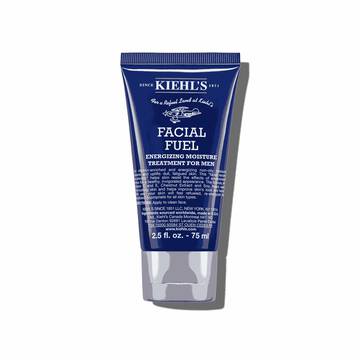
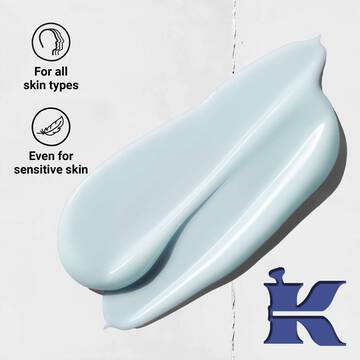

Facial Fuel Energizing Moisture Treatment for Men
A lightweight daily moisturiser for men powered by Caffeine, Vitamin C, Vitamin E and Chestnut Extract. Benefits: energises tired-looking skin, strengthens the skin barrier, provides long-lasting hydration and helps control shine. Suitable for all skin types.
Your Skin Type: Do I Have Oily Skin?
Oily skin is a skin type defined by excess sebum production, which can leave the face looking shiny or greasy. You might notice that your skin appears shiny throughout the day, and your pores may often feel clogged.
If you want to get more specific, Gerwyn explained that you should be particularly on the look-out for shine or oil earlier on in the day: "if you see shine develop on your skin before midday in either the T-zone or all over, that's a clear signal that you either have a combination or an oily skin."
That's because typically, "your skin is at its most oily around lunchtime - 12:00 to 1:00pm. It doesn't tend to produce more oil after that", making this a good time to assess your skin's level of oil. A lot of men wonder why they might have oily skin, especially if they work hard to look after their skin health. Oily skin can be caused by a variety of factors, from genetics to unsuitable product use. The good news is that means there are often simple steps we can take to reduce its oiliness!
.jpg?sw=960&sh=960&sm=cut&q=70)
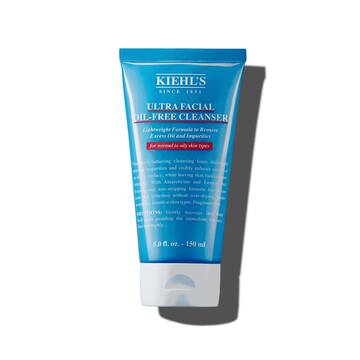
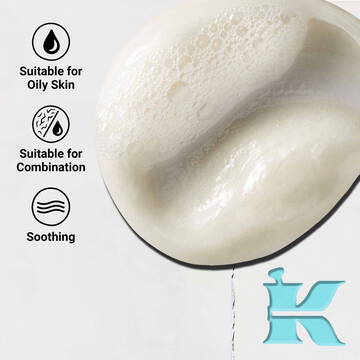
Ultra Facial Cleanser for Oily Skin Types
A quick–lathering, refreshing facial cleanser.
How to Treat and Care for Oily Skin
We recommend that men with oilier skin types try using a cleanser morning and night, which helps wash away excess sebum. Our Ultra Facial Cleanser for Oily Skin is a men's face wash for oily skin that leaves your skin feeling clean without over-drying. We also recommend checking out a scrub for a super clean, fresh feel. Our expert told us, "when it comes to cleansing, I'd really recommend a scrub. Facial Fuel energising scrub is perfect for exfoliating and smoothing.
Even if your skin is oily, don't skip moisturiser. Opt for a lightweight, oil-free formula that hydrates without adding extra shine, as skipping moisturiser can actually cause your skin to produce even more oil to compensate.
Whatever product you opt for, Gerwyn really stresses the importance of cleansing for all men, but especially those who tend towards oiliness: "cleansing the skin is really important because it not only removes any pollution or debris that's built up from the day, but also keeps your pores clear, minimises bad bacteria, reduces your chances of getting blackheads building up... It really is vital."
Your Skin Type: Do I Have Combination Skin?
Combination skin is one of the most common men's skin types, featuring both dry and oily areas on the face. Often this shows up as a more oily texture on your forehead and nose but dryness on your cheeks, though of course the dispersal can vary from person to person.
How to Treat and Care for Combination Skin
It can be tricky to know how to treat combination skin because of its often-opposing symptoms, but balance is key when it comes to caring for this skin type. We recommend choosing moisturising products to apply to drier areas and cleansing ones for oily spots, as well as looking out for products tailor-made for combination skin.
You'll also want to look for products that aren't likely to exacerbate any of your concerns. That means opting for cleansers that aren't super harsh, and making sure your moisturising products aren't too greasy. Again, Facial Fuel energising moisturiser is a great bet, as its caffeine and vitamin enriched non-oily formula moisturises while controlling shine for a healthy appearance.
Facial Fuel Energizing Moisture Treatment for Men
A lightweight daily moisturiser for men powered by Caffeine, Vitamin C, Vitamin E and Chestnut Extract. Benefits: energises tired-looking skin, strengthens the skin barrier, provides long-lasting hydration and helps control shine. Suitable for all skin types.
Your Skin Type: Do I Have Normal Skin?
Normal skin is well-balanced, meaning it doesn't typically experience excesses of either oil or dryness. It usually feels soft and hydrated without much effort. Of course, there's no 'abnormal' skin - when we talk about 'normal' in the realm of skin types, we're really referring to this balanced state.
The lucky amongst us who don't often experience significant skin problems (congratulations if that's you!) or are really barely aware of their skin's appearance likely have this type.
How to Care for Normal Skin
While those blessed with normal skin (congratulations!) might not have ongoing concerns they want to target directly, that doesn't mean they should forget skincare altogether!
We recommend maintaining your skin's health with a daily routine that features staples like a cleanser, moisturiser, toner, and an SPF sunscreen.
Make sure you pay extra attention to your skin after exercise, washing away any sweat to prevent it from clogging your pores.
Sensitive Skin in Men: What to Know
Sensitive skin reacts easily to products, environmental factors, or physical irritation, often showing up as redness, stinging, or tightness. It's worth noting that sensitivity isn't a standalone skin type in the traditional sense - you can have oily and sensitive skin, or dry and sensitive skin. When you're choosing skincare products, you'll want to consider your skin's sensitivity alongside its oil and moisture balance.
People with sensitive skin need to be especially careful with their product choices, making sure to be on the lookout for potentially irritating ingredients. Harsher acids and fragrances should be avoided in favour of gentler products and soothing ingredients like aloe vera, which form a strong basis for men's skincare for sensitive skin. A regular routine rich in moisturising formulas can help combat inflammation and irritation.
For men specifically, common triggers include shaving with dull blades, alcohol-based aftershaves, and harsh exfoliants. If you notice redness or stinging after your grooming routine, it may be a sign that your skin is more reactive than you realise.
Men's Skincare After 60
As men reach their 60s and beyond, skin naturally becomes drier, thinner, and more prone to visible signs of ageing, which means your skincare routine should evolve too. Reduced collagen production and slower cell turnover mean that your skin type may shift from oily or combination towards dry over time.
Those with mature skin may want to consider products that tackle common signs of ageing, such as dark spots and wrinkles. Vitamin C is a great option for those who want to minimise pigmentation while maintaining skin health. Ingredients like retinol, peptides, and ceramides can also help support firmness and hydration as part of a well-rounded routine.
Skincare Tips That Work for Every Skin Type
Regardless of your skin type, there are a few tips and tricks that work for everybody. A consistent men's skincare routine doesn't have to be complicated - if you're new to skincare, start with a simple routine that you can keep up every day. Choose high-quality, dermatologically tested products for reliable results and don't neglect other factors such as a nutrient-rich diet and plenty of sleep to aid in your skin's recovery.
Don't skip SPF protection, even on cloudy days, as UV exposure is one of the leading causes of premature skin ageing. Staying well-hydrated also supports your skin from the inside out, complementing your topical routine nicely.
How Men's Skin Differs from Women's
Men's skin is structurally different from women's, with greater thickness, larger pores, and higher sebum production, which is why a targeted men's skincare routine makes a real difference. Men's skin is approximately 20% thicker than women's and contains more collagen, which is why men may notice signs of ageing later but more suddenly. Hormonal differences, particularly higher testosterone levels, also contribute to larger pores and increased oil production, making oily skin types more common among men.
At Kiehl's, we have formulated a skincare line specifically for men to address common skin complaints, from cleansers that target excess oil to men's moisturisers for sensitive skin.
The type of skin you have is often determined by genetics, but environmental factors can also play a role. If you notice that your skin type changes during periods of stress, it may be that your hormones are influencing your skin. Similarly, you might notice your skin is affected by the weather or the air or water quality around you.
You can use Kiehl's Instant Skin Reader to find out what skin type you have and how to build a skincare routine tailored to you.
Catering to your own skin type rather than using a generic skincare routine can help you give your skin the support it needs. Take the first steps by building your skincare routine and shopping for products that are right for you. Plus, you can book a consultation with our dermatology experts to get personalised advice and start your journey off on the right foot.

.jpg?sw=724&sh=402&sm=cut&q=70)
.jpg?sw=640&sh=640&sm=cut&q=70)
