


Can You Use Facial Oil If You Have Oily Skin?
Facial oils deserve a spot in your skincare routine, even if you have oily skin. Here, discover our best facial oils for oily skin and learn how to use them.
We're often asked whether a facial oil for oily skin is truly a good idea, and facial oils are among the most misunderstood products in skincare. Many people believe that oils are off-limits for those with oily, blemish-prone skin — and we understand why. It is a common misconception – however, oils can be a terrific addition to your skincare routine, even if you have a shinier skin type. With over 170 years of skincare expertise, we can confidently say that the right facial oil can be a game-changer for oily and combination skin alike. The key is using the right ones – and using them properly.
Facial Oils for Oily Skin: Key Takeaways
- Facial oils can actually balance oily skin by delivering essential hydration that stops your complexion from overproducing its own sebum.
- Stick to non-comedogenic formulas rich in linoleic acid—like squalane or jojoba oil—to nourish your skin without clogging your pores.
- Use formulas for your face and body, opting for non-comedogenic creams for your complexion and richer, thicker butters for your limbs.
- Always cleanse your face thoroughly before applying an oil to ensure trapped dirt and residual sebum don't cause unwanted breakouts.
- Follow the golden rule of layering by applying lightweight, water-based serums first and finishing with your richer facial oil to lock in moisture.
- A little goes a long way, so press just two to three drops into your skin as the final step of your nighttime routine or right before your daily SPF.
How Do Facial Oils Differ from Serums?
Before we discuss the benefits of facial oils, it is important to differentiate oils from other targeted skincare treatments. Like serums, facial oils are concentrated liquids formulated to help address one or more skin concerns, such as dryness or irritation. However, while serums are light and water-based, facial oils are made with plant oils and emollients, like olive-derived squalane (a Kiehl's signature ingredient) and have a richer texture which helps to condition the skin barrier. Serums tend to contain water-soluble active ingredients such as vitamin C and retinol, while oils are rich in emollients and contain other skin-friendly ingredients, like plant extracts. Some facial oils have a lightweight, dry-touch finish while others feel richer, so there is a texture to suit every skin type.
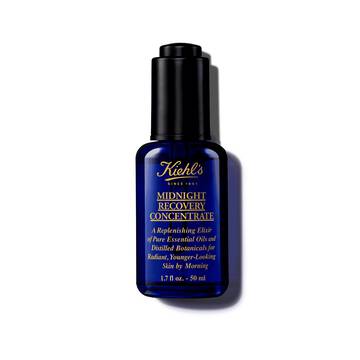


Midnight Recovery Concentrate Moisturizing Face Oil
Midnight Recovery Concentrate: Our Best Facial Oil for Oily Skin
If you're looking for the best facial oil for oily skin, our Midnight Recovery Concentrate is an excellent starting point. Created for all skin types, including oily and blemish-prone skin, Midnight Recovery Concentrate is a non-comedogenic facial oil that helps to visibly restore skin overnight and provides skin with relief from daily stressors. It calms the feeling of tired skin while helping balance hydration and helps strengthen skin's barrier function to help skin protect itself.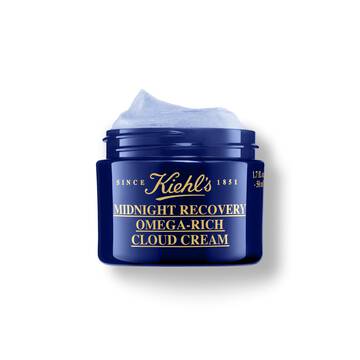

Midnight Recovery Omega Rich Botanical Night Cream
Midnight Recovery Omega Rich Cloud Cream: A Nighttime Cream for Every Skin Type
At night, reach for a nighttime facial cream that helps hydrate and repair your skin while you sleep. We recommend Midnight Recovery Omega Rich Cloud Cream, which contains botanical oils, including evening primrose oil, and aromatic lavender essential oil. This Kiehl's customer favourite is ideal for all skin types, absorbs quickly, and helps replenish the skin at night when it is most receptive to repairing itself from daily stressors. It also helps boost essential moisture, leaving skin looking firmer and smoother over time. Its lightweight whipped texture absorbs quickly, making it suitable even for those with oilier skin types who prefer a non-greasy finish at night. We recommend applying a pea-sized amount to clean, dry skin as part of your nighttime skincare routine.How to Use a Facial Oil for Oily Skin: 3 Expert Tips
Using a facial oil on oily skin requires a few simple adjustments to your routine to get the best results without excess shine or congestion. Understanding which facial oil is best for your specific skin concerns and needs is the first step. Now, discover our top tips for incorporating facial oils into your skincare routine.

Tip #1: Always Cleanse First
Before applying your facial oil, we recommend washing your face thoroughly. A good cleanser helps remove impurities, like dirt and pollutants, that could otherwise accumulate and clog your pores or irritate your skin. This step is especially important for oily skin, as any residual sebum or impurities on the surface can mix with your facial oil and potentially lead to congestion. Applying your facial oil after washing your face also helps trap moisture, leaving your skin feeling softer and more hydrated.
If you wear makeup, we recommend first washing with an oil-based cleanser, like Midnight Recovery Botanical Cleansing Oil. This lightweight cleansing oil emulsifies with water to create a light, milky lather that washes away impurities without over-drying the skin. It is non-comedogenic, suitable for all skin types, and rinses off easily, leaving your skin feeling soft and replenished.
For an even more thorough clean, try double cleansing. This method involves first washing your face with an oil cleanser, like the one mentioned above, then washing your face again with a foaming face wash like our Ultra Facial Cleanser.

Tip #2: Apply Your Water-Based Treatments First
After washing and drying your face, you can go ahead and apply your chosen skin treatments – we recommend applying these products according to weight. Fast-absorbing, water-based products like serums should be applied first, while heavier oils should be layered at the end of your routine. Keep in mind that with most facial oils, especially if you have oily skin, less is more: a few drops are usually more than enough for your entire face.
It is also important to note that even the most hydrating facial oils are not a replacement for a moisturiser. You may still need a face cream or lotion before your facial oil because these products add water to the skin, which is key if your skin feels dehydrated. In the daytime, it's essential to finish with a sunscreen to protect your skin from the damaging rays of the sun.

Tip #3: Go at Your Own Pace
Besides adding a facial oil to your routine, you can try easing yourself into things with serum-infused products, like Calendula Serum-Infused Water Cream. This lightweight water cream, which contains Calendula Flower Extract, helps seal in moisture to prevent water loss. It leaves skin feeling soft, replenished and supple. This Kiehl's favourite is suitable for all skin types and can be used daily for nourished skin. Whether you start with a serum-infused cream or dive straight into a dedicated facial oil, the most important thing is finding what works for your skin.
Frequently Asked Questions
What Face Oil Is Best for Oily Skin?
Will Facial Oil Make My Skin More Oily?
Will Facial Oil Clog My Pores?
What Ingredients Should I Look for in a Facial Oil for Oily Skin?
How Often Should I Use Facial Oil on Oily Skin?
Should I Apply Facial Oil Before or After Moisturiser?
Can I Use Facial Oil During the Day If I Have Oily Skin?
Is Facial Oil the Same as a Serum?
Can Facial Oil Help with Acne-Prone Skin?


