


Can You use Vitamin C & Retinol Together?
Loved by beauty experts and dermatologists alike, Vitamin C and Retinol are two of the most powerful ingredients you can add to your skincare routine. But, given their different effects on the skin, it is common to wonder whether vitamin C and retinol complement each other or should be used separately.
Can I Use Vitamin C With Retinol: Key takeaways
- Vitamin C and retinol are two of the most popular and powerful ingredients used in skincare today. Both have anti-ageing and skin brightening properties, among other benefits.
- Retinol is best known for its ability to promote collagen production and cell turnover. It can help to reduce the visible appearance of fine lines and wrinkles, as well as help to even out areas with hyperpigmentation.
- Vitamin C has powerful antioxidant qualities and can also help to promote collagen production and cell turnover, promoting youthful-looking skin.
- Using retinol and vitamin C in the same skincare routine is not recommended. It is always best to use the ingredients at separate times of day. Vitamin C should be used in the morning, and retinol in the evening.
In this article, we will delve into the effects of vitamin C and retinol on the skin, looking at them individually before examining what happens when mixing retinol and vitamin C.

Vitamin C benefits for skin
In many ways, it would be quicker to list what Vitamin C doesn’t help. A potent antioxidant, vitamin C is a great multitasker that not only helps to protect your skin but also repairs it. Vitamin C’s benefits for the skin include:
- Offering antioxidant protection against environmental aggressors.
- Boosting collagen production to help firm skin and reduce the appearance of fine lines and wrinkles.
- Anti-inflammatory properties that soothe redness and blemishes.
- Brightening skin and helping to lessen the appearance of hyperpigmentation.
- Improving the texture and suppleness of skin.
Vitamin C’s benefits for skin don’t stop there, either; you’ll find even more reasons to add Vitamin C serums to your skincare routine here.

Retinol: what does it do for skin
Retinol is a form of vitamin A and another hero ingredient that has anti-ageing benefits and helps to promote skin renewal. Available in gels, creams and liquid serums, it’s a popular staple in many nighttime skincare routines, and helps to encourage a smoother, more even and glowing complexion when you wake. Among the most common benefits of retinol for skin are:
- Improving cell turnover, which in turn can smooth wrinkles and fine lines.
- Boosting the skin’s brightness and lessening the effects of sun damage.
- Helping to reduce the visible appearance of acne and pores.
- Improving the texture and smoothness of skin.
- Stimulating collagen production in the body.
Retinol’s benefits don’t stop there, though. Read on to find out more about how it can help your skin here.

Vitamin C and retinol benefits
So, can you use retinol and vitamin C together?
Vitamin C and retinol should not be used in the same skincare routine, but given their benefits, this is actually quite beneficial.
Vitamin C is best suited to morning routines given the protection it can offer from environmental stressors, while retinol is best suited to working overnight to renew skin. For this reason, separate routines featuring the individual ingredients is the best way to use them and feel their combined benefits, including:
- Firmer, tighter skin: Both vitamin C and retinol support collagen production in the body. With increased collagen production comes firmer-looking and plumper skin.
- Improved skin texture: With vitamin C encouraging cell turnover, and retinol promoting collagen production, when using both, skin can look smoother and less wrinkled.
- Reduced blemishes: Vitamin C and retinol work in different ways to reduce the appearance of blemishes on the face. Retinol promotes cell turnover, which helps to reduce the amount of sebum produced by the skin. Vitamin C, on the other hand, stops free radicals in your skin from oxidising sebum and causing clogged pores.
- Reduced visible signs of ageing: Both vitamin C and retinol work to reduce the appearance of fine lines, wrinkles, and hyperpigmentation, promoting a younger-looking complexion.
- Brightened skin: One of vitamin C’s key benefits for skin is that it helps to block the enzyme that causes dark spots, promoting a brighter complexion. Similarly, retinol promotes cell turnover, helping darker areas of skin appear brighter and more even.
How to combine Vitamin C and Retinol
As Retinol and Vitamin C serums operate best at different pH levels, using them at the same time can cause them to be less effective. It can also irritate your skin. Using vitamin C in your morning routine and retinol at night allows them to work at their correct pH and be most effective.



Our Product Recommendations
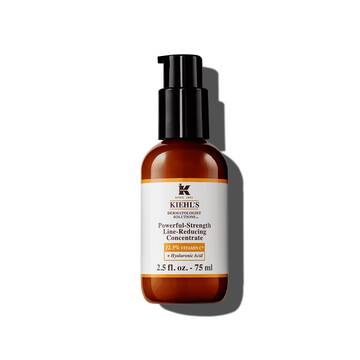
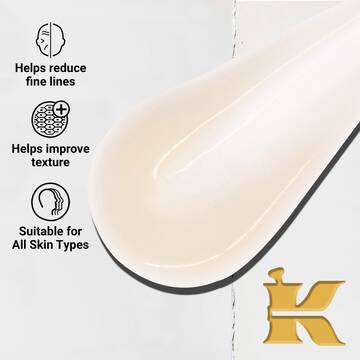
Powerful-Strength Line-Reducing Concentrate
Powerful-Strength Line-Reducing Concentrate
The Powerful-Strength Line-Reducing Concentrate Vitamin C formula penetrates the skin’s surface layers to help hydrate skin and reduce the appearance of fine lines and wrinkles. It’s formulated with 12.5% Vitamin C and Hyaluronic Acid, is suitable for all skin types, including sensitive skin, and helps skin to retain moisture. Apply twice daily to cleansed skin and follow with a moisturiser or use alone to encourage a firmer complexion, smoother skin texture and radiant glow.
Powerful-Strength Line-Reducing & Dark Circle-Diminishing Vitamin C Eye Serum
This potent Vitamin C eye serum is uniquely formulated for the delicate eye area with 10% pure Vitamin C and hydrating hyaluronic acid. Gently tap on a small amount to target under-eye dehydration and to instantly refresh the appearance of tired-looking eyes, dull skin and dark circles.
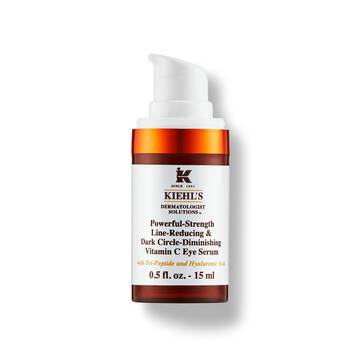
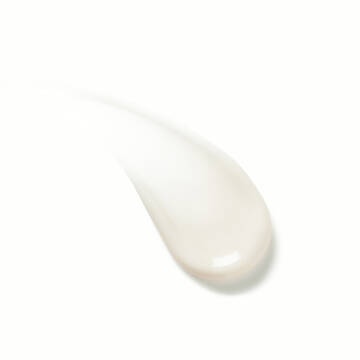
Powerful-Strength Line-Reducing & Dark Circle-Diminishing Vitamin C Eye Serum
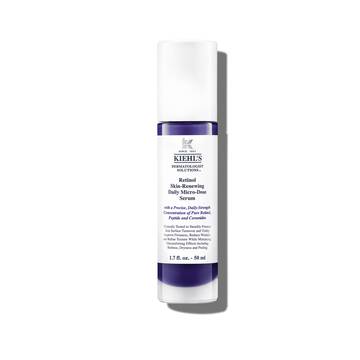

Retinol Skin-Renewing Daily Micro-Dose Serum
Retinol Skin-Renewing Daily MicroDose Serum
Our award-winning Retinol Skin-Renewing Daily Micro-Dose Serum is formulated to deliver a daily strength dose of pure Retinol to address signs of ageing and encourage younger-looking skin. Apply this potent serum over your entire cleansed face at night, including the under-eye and crow’s feet areas. Its formula, enriched with a combination of pure Retinol, Peptides and Ceramides, helps to strengthen the skin barrier function and promote skin cell turnover with minimal discomfort,t such as redness or peeling. Always use an SPF in the daytime following application.
The importance of SPF when using Vitamin C and Retinol
As a powerful antioxidant, Vitamin C supports your SPF to protect the skin from environmental aggressors, including UV light, and to neutralise free radical damage. Retinol, which encourages cell turnover, can,n however, make your skin more sensitive to UV rays.
Make sure to follow any nightly application with a daytime layer of broad-spectrum SPF protection. Here’s our favourite sunscreen to use as part of a Retinol or Vitamin C routine:
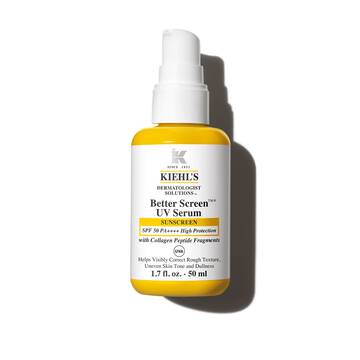
Better Screen™ UV Serum Sunscreen
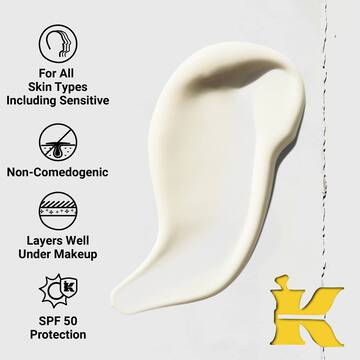
For daily protection with added skincare benefits, try Better Screen™ UV Serum Sunscreen. This lightweight SPF 50+ formula combines advanced UV protection with a serum-like texture that layers seamlessly under makeup and skincare.
Enriched with collagen peptides, it helps support smoother, more radiant-looking skin while protecting against UVA and UVB damage, making it an ideal companion to both Vitamin C and retinol in your routine.
Vitamin C vs Retinol: When to Use & Key Benefits

|
Vitamin C |
Retinol |
What it does |
Powerful antioxidant that protects skin and boosts radiance |
Vitamin A derivative that accelerates cell turnover and skin renewal |
Primary benefits |
Brightens skin, reduces hyperpigmentation, protects against environmental damage, supports collagen production |
Smooths fine lines and wrinkles, improves texture, reduces pores, stimulates collagen production |
Best time to use |
Morning - as it protects against UV damage and pollution during the day |
Evening - as it works overnight when skin naturally regenerates, and helps avoid sun sensitivity |
Skin concerns to target |
Dullness, uneven tone, dark spots, early signs of ageing |
Wrinkles, fine lines, blemishes, uneven texture, enlarged pores |
Who it’s best for |
All skin types, especially those looking for brightness |
All skin types, but with gradual introduction for sensitive skin |
How often to use |
Daily (AM) |
Start 2–3 times per week, increase gradually |
Retinol & Vitamin C FAQs
CAN YOU USE VITAMIN C AND RETINOL TOGETHER?
IS VITAMIN C OR RETINOL BETTER FOR WRINKLES?
SHOULD I PUT RETINOL OR VITAMIN C FIRST?
SHOULD I USE RETINOL AND VITAMIN C DURING THE DAY OR AT NIGHT
CAN I USE RETINOL AND VITAMIN C IF I HAVE SENSITIVE SKIN?


