


Beginner Retinol Guide: How to Use Retinol
February 2026
Retinol is a big name in skincare, and the reason is, it’s the real deal. It's a powerful skincare ingredient that can enhance your skin’s collagen production and lead to a visible reduction in fine lines and wrinkles.
While improper retinol use can cause irritation, especially for those with sensitive skin, we’re here to dispel the rumours and show you how simple it can be to add retinol to your routine for great results.
Read on to learn how to use retinol safely and effectively, and to explore our two unique solutions.
How to Use Retinol: Key Takeaways
- One of the main benefits of retinol is that it boosts cell turnover and collagen production, helping to reduce fine lines, improve skin texture and even skin tone over time.
- If you are a retinol beginner, start slowly by using it every other night and increase frequency gradually to minimise irritation.
- Always apply retinol at night, during the serum step of your evening skincare routine, when skin is less exposed to UV light.
- Use a moisturiser after retinol to support the skin barrier and reduce dryness.
- Always use a daily SPF product like the Better Screen UV Serum SPF PA50++++ when using retinol as your skin becomes more sensitive to UV rays..
- Avoid combining retinol with exfoliating acids in the same routine, and use vitamin C separately in the morning.
- Be consistent and patient: visible results typically take several weeks.
What is retinol and what does it do?
Let’s start at the very beginning, what is retinol made of and why is it a wonder ingredient? Retinol is a derivative of vitamin A and starts off as retinol esters, before being converted to retinoic acid. Types of retinoids like Tretinoin, Isotretinoin and Adapalene are stronger than retinol and are only available via prescription from a doctor.
The main difference between retinoid and retinol is the way the skin can use them. Retinoids are already a type of retinoic acid and immediately get to work, but as they’re stronger and quicker, they can cause irritation. Retinols on the other hand, must be converted by the skin to retinoic acid – this process takes time but allows the skin to get used to the formulation, preventing side effects.
Advantages of retinol
The anti-ageing powers of retinol are unparalleled. From accelerating skin cell turnover, to smoothing out the appearance of pores, and preventing fine lines, the benefits of using retinol are many:
Boosts cell turnover
Retinol works by accelerating skin cell turnover, helping dead, dull skin cells shed more efficiently so they are replaced with fresher, smoother and more radiant-looking skin.
Reduces fine lines and wrinkles
One of the most well-known benefits of retinol is its ability to visibly smooth fine lines and wrinkles. By supporting collagen production and skin renewal, retinol helps improve skin firmness and maintain a more youthful appearance over time.
Improves skin tone and fades dark spots
Retinol helps to even skin tone by encouraging regular cell renewal, which can fade the appearance of dark spots and pigmentation caused by sun exposure or past breakouts.
Refines skin texture and boosts radiance
Thanks to its exfoliating action, retinol helps refine skin texture, leaving skin looking smoother and more luminous. Continued use can enhance overall clarity and radiance.
Supports skin repair with antioxidant benefits
Another advantage of retinol is that it also provides antioxidant support, helping to defend skin against environmental stressors while supporting the skin’s natural repair processes.
Helps minimise blemishes and the appearance of pores
By helping to keep pores clear and regulating excess oil, retinol can reduce the appearance of blemishes and enlarged pores, making it beneficial for oily and combination skin types.
When to start using retinol?
Retinol is well known for fading the appearance of existing fine lines, but its real long-term value lies in prevention. By supporting collagen production and accelerating cell turnover, retinol helps slow the formation of new lines before they become deeply set.
Dermatologists generally recommend introducing retinol in your mid-20s to early 30s, when natural collagen production begins to decline by around 1% per year. Early, consistent use can help maintain smoother skin texture and more even skin tone over time, even before visible signs of ageing appear.
What are the side effects of retinol?
The only downside of retinol is that there can be some side effects. However, these side effects of retinol can be mitigated by using the product with care and adopting some precautions.
Retinol and sun exposure
Sun damage is one of the key retinol side effects to remember. Retinol makes the skin more sensitive to the sun, so when using retinol products, it is paramount that you also use a high protection SPF every day (even when cloudy) as the sun’s rays can damage skin more easily.
Our Ultra Light Daily UV Defense SPF 50 PA+++ is lightweight and provides all-day hydration while protecting you from the sun.
Alternatively, you can opt for our Better Screen UV Serum SPF PA50++++, a skincare-SPF hybrid that’s packed with skin-loving ingredients like Collagen Peptide Fragments, Vitamin E, and Glycerin to help lock in moisture, prevent the signs of skin ageing, and protect the skin from UV rays.
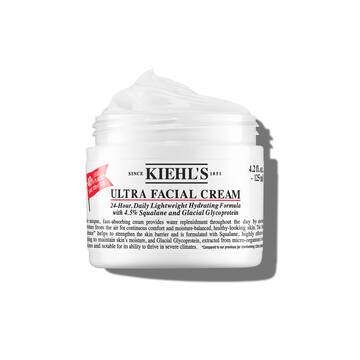

Ultra Facial Cream
Redness, dryness and irritation from retinol
When you begin using retinol, you may experience mild redness, sensitivity and dryness with the first application, but not everyone does. To minimise irritation, we recommend slowly building up your tolerance by using retinol every two to three nights.
Always follow with a calming moisturiser such as our Ultra Facial Cream, to help support the skin barrier and reduce dryness.
What not to mix with retinol
It’s also important to adjust the rest of your skincare routine on nights when you use retinol. Avoid combining retinol with exfoliating acids such as salicylic acid, glycolic acid, or other AHAs, as this can increase the risk of irritation. We also recommend using vitamin C and retinol separately, by applying vitamin C in the morning for antioxidant protection, and retinol at night to boost cell-turnover during sleep.
Instead, pair retinol with barrier-supporting ingredients like ceramides, hyaluronic acid, niacinamide and vitamin E to help keep skin nourished and comfortable. Choosing the right moisturiser after retinol is key – our Ultra Facial Cream helps strengthen the skin barrier and deliver long-lasting hydration, making it ideal for calming and replenishing skin following retinol use.
How and when to use retinol in skincare routine?
Learning when and how to use retinol is important if you want to maximise effectiveness and reduce any unwanted side effects. We recommend the following step-by-step retinol skincare routine:
Step 1: Use retinol at night
Retinol is best applied during the serum step of your evening skincare routine, when skin is in repair mode and protected from daytime UV exposure.
Step 2: Choose the best retinol serum for your skin
For retinol beginners: Our Retinol Skin-Renewing Daily Micro-Dose Serum is precisely formulated to deliver a daily-strength dose of pure retinol. The unique formula offers a minimised likelihood of side effects including redness, dryness and peeling, making it suitable for all skin types, including sensitive skin. It also includes peptides and ceramides to help strengthen the skin barrier function and improve the skin’s tolerance of pure retinol.
"Image: existing product card (Retinol Skin-Renwing Daily Micro-Dose Serum) Alt text: Kiehl’s Retinol Skin-Renewing Daily Micro-Dose Serum "
Step 3: Apply a pea-sized amount to clean skin
After cleansing, apply a pea-sized amount of your chosen retinol serum to clean, dry skin. Allow it to absorb for a few minutes before applying moisturiser to help counteract any potential dryness.
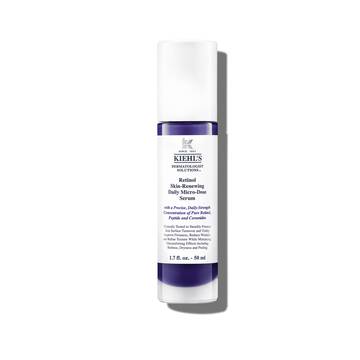

Retinol Skin-Renewing Daily Micro-Dose Serum
Step 4: Apply moisturiser after retinol
Apply a thin layer of moisturiser, such as our Ultra Facial Cream, which contains skin-hydrating glacial glycoprotein and olive-derived squalane to soothe your skin and reinforce the skin barrier.
Step 5: Always use sunscreen SPF when using retinol
Finish off your retinol skincare routine with a broad-spectrum SPF such as Better Screen UV Serum SPF PA50++++ to help protect your skin from sun damage and combat signs of ageing.
Get personalised retinol skincare advice
If you’re ready to find out more about retinol and how it can work for you, book a complimentary 1-1 session with one of our Kiehl’s Skincare experts. Available via live video call or in-store, this 30-minute consultation will answer all your questions about this powerhouse skincare ingredient.
Shop our range of retinol skincare products!
Beginner Retinol Guide FAQs
Why is retinol good for the skin?
Retinol supports skin renewal by boosting cell turnover and collagen production, helping skin look smoother, brighter and more youthful over time.
What can retinol do for your skin?
Retinol can help reduce the appearance of fine lines and wrinkles, improve skin tone and texture, fade dark spots, refine the look of pores and balance oily or blemish-prone skin.
Can you use retinol with hyaluronic acid?
Yes. Hyaluronic acid and retinol work well together and help keep skin hydrated and comfortable, reducing the likelihood of dryness.
Can you use retinol with salicylic acid?
No. It’s best to avoid using retinol and salicylic acid in the same routine, as combining them can increase the risk of irritation.
