


HOW TO DEAL WITH SUN DAMAGE
Sun damage occurs when ultraviolet (UV) radiation penetrates the skin, causing both immediate effects like sunburn and long-term harm including premature ageing and dark spots. Understanding how UV radiation affects your skin is the first step to protecting it from damage. Whether it's an immediate sunburn or the long-term effects of UV exposure like dark spots and premature ageing, sun-damaged skin is something we can all take steps to address. Here's how to prevent, soothe and repair it.
Sun Damage Prevention and Repair: Key Takeaways
- UV exposure causes both immediate sunburn and long-term premature ageing, making daily broad-spectrum SPF your most essential defence.
- Apply sunscreen 30 minutes before heading outside and reapply every two hours to maintain effective protection against cumulative skin damage.
- Calm immediate sunburn discomfort by staying out of the sun, taking cool showers, and using hydrating, barrier-strengthening skincare.
- While some UV damage is permanent, you can visibly improve dark spots and fine lines over time with targeted ingredients like Vitamin C and Retinol.
What Is Sun Damage and Why Does It Matter?
Sun damage occurs when ultraviolet (UV) radiation penetrates the skin, causing both immediate effects like sunburn and long-term harm including premature ageing and dark spots. Sunburn happens when the skin's outermost layers are damaged by UV radiation, resulting in an inflammatory reaction where skin cells become red, swollen and sore. As well as being painful and uncomfortable, this UV damage also accelerates skin ageing, and once the redness and discomfort fade, the long-term effects remain.
Common signs of sun damage include dark spots, fine lines, rough or uneven skin texture, and a loss of firmness. These changes develop gradually with repeated UV exposure, which is why prevention matters so much. The good news is that while some sun damage is permanent, many visible effects can be improved with the right skincare routine. Ingredients like vitamin C, retinol and hyaluronic acid can help repair and reduce the appearance of sun-damaged skin over time.
How to Soothe Sunburnt Skin
If you're dealing with sunburn, there are simple, practical steps you can take to soothe your skin and support its recovery. First, stay out of direct sunlight as much as possible to limit UV exposure. Take it a step further with a cool shower and drinking lots of cold water to rehydrate. Cooling the skin helps calm the inflammatory response, while rehydrating from the inside out supports your skin's natural recovery.
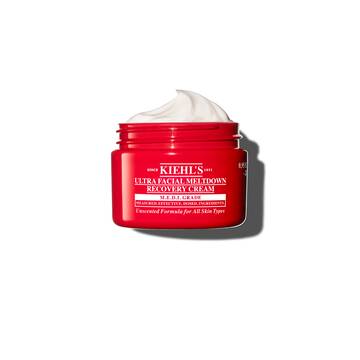
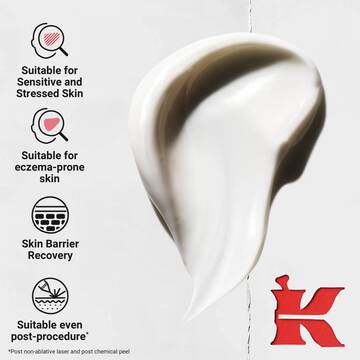


Ultra Facial Meltdown Recovery Cream
Second, we recommend finding skincare solutions that'll hydrate, reduce skin irritation and soothe the skin. For example, our Ultra Facial Meltdown Recovery Cream will deliver a burst of hydration to help skin feel calmed, relieved, soothed and replenished. It also reduces visible redness to show a revitalised complexion after just one use.
We also recommend Vital Skin-Strengthening Hyaluronic Acid Super Serum. Ideal for layering serums, our formula is enriched with Hyaluronic Acid and helps to strengthen the skin barrier function to protect it from daily stressors and early signs of ageing. If you're looking for a moisturiser for sensitive skin, we recommend Ultra Facial Advanced Repair Barrier Cream. Our formula soothes and protects skin's barrier function while intensively moisturising skin to reveal a healthy-looking appearance.
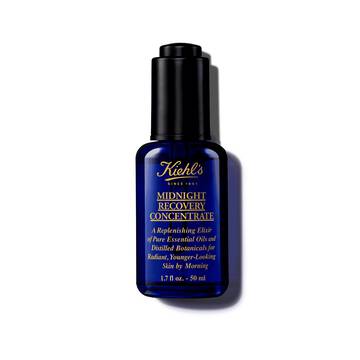


Midnight Recovery Concentrate Moisturizing Face Oil
Next up is our evening facial oil, Midnight Recovery Concentrate. A customer favourite, it nourishes skin overnight, complementing its natural overnight recovery process to reveal a rested appearance.
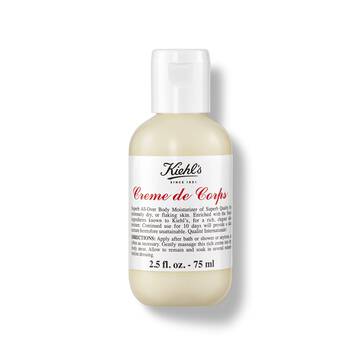

Creme de Corps
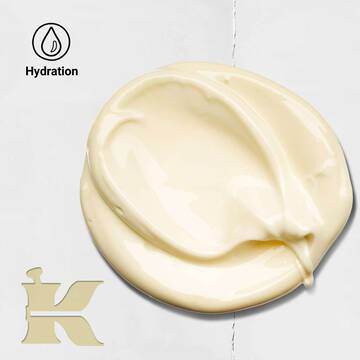
For all-over-body relief, Crème de Corps body lotion nourishes skin to leave it feeling softer, smoother and more hydrated. We also recommend wearing protective clothing to provide a greater level of protection and avoid direct sunlight until you're feeling better. While these steps help soothe the immediate discomfort, addressing the longer-term effects of sun-damaged skin requires consistent care with targeted ingredients that support your skin's natural repair process.
How to soothe sunburnt lips
Sunburnt lips are especially sensitive to UV exposure, and unless you're into wearing a face mask, protective clothing isn't going to help here. We recommend using calming lip balms, such as our Lip Balm, which contains soothing ingredients like Squalane and works to comfort and protect your lips. If you find a lip care product with SPF, even better!
How to Prevent Sun Damage with Daily SPF
One of the most effective ways to help prevent sun damage is to wear broad-spectrum SPF protection every day, all year round. A quality sunscreen helps defend against both UVA rays (which cause premature ageing) and UVB rays (which cause sunburn). To help protect your skin, we recommend choosing a sunscreen with a Sun Protection Factor (SPF) of at least 30.
Better Screen™ UV Serum Sunscreen
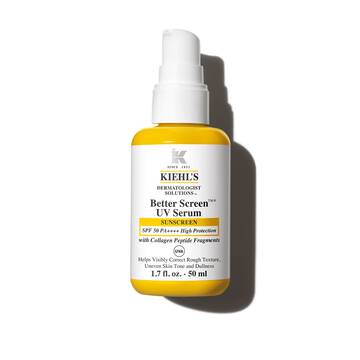
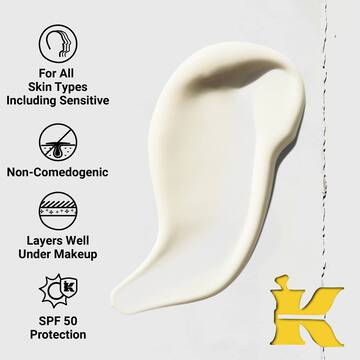
We recommend Better Screen™ UV Serum SPF 50 PA++++. This innovative serum-sunscreen hybrid protects skin against environmental aggressors, including UVA/UVB rays and pollution, which can cause the first signs of ageing. Formulated with collagen-supporting peptides and antioxidants, it helps defend against visible signs of premature ageing while providing a lightweight, silky finish that also layers beautifully under makeup.
How to Apply Sunscreen Properly
Applying sunscreen correctly is just as important as choosing the right formula. We recommend following these tips to reduce UV exposure and lower your risk of sun damage.
Kiehl's Top Tip #1: Wear Sunscreen Every Day
Skin damage is cumulative, so use sunscreen every day. Apply 30 minutes before going out and don't forget to top up your sunscreen every two hours or after swimming. Even if you have water-resistant UV protection sunscreen on, cumulative UV exposure is unforgiving on unprotected skin.
Kiehl's Top Tip #2: Layering Sunscreen Under Makeup
We recommend applying SPF protection as the first step of your makeup routine. You should aim to apply makeup after your sunscreen's been on for about five minutes. We recommend sticking to liquid or cream foundations as powder could smear and lead to skin irritation. Once you leave the house, you'll need to reapply your sunscreen and so will need to do that over makeup.
Kiehl's Top Tip #3: How Much Sunscreen to Apply
The NHS recommends using two teaspoons of sun lotion on your head, arms and neck, and two tablespoons for all other exposed areas if you want to maintain healthy skin. We know that nobody applies sun lotion with a teaspoon, but it gives you an idea! Don't forget to cover your forehead and neck up to the hairline, your nose, eyelids, knees and shoulders with an ounce of sunscreen. If possible, we recommend using water-resistant sunscreen, as UV rays will seek out any areas of unprotected skin, which will be vulnerable when swimming or sweating and add to your risk of sun damage.
We also recommend wearing a wide-brimmed hat to protect your head and UV-rated sunglasses with a CE Mark and British Standard Mark 12312-1:2013 E.
Kiehl's Top Tip #4: When and How to Reapply Sunscreen
When reapplying makeup or mineral sunscreen, it may be best to wash your face and start again from scratch. Alternatively, use a dry makeup sponge to press on sunscreen or makeup. We recommend avoiding dragging the sponge when applying either, especially if you have delicate skin.


